


Ask AwraIQ about features, pricing, onboarding, login, integrations, security, demos, mobile apps, automation, reports, or support.
Operations Metrics
KPIs that keep operations healthy
A curated list of metrics every ops team should track weekly across stock, spend, assets, approvals, field work, and finance.
Inventory
Start with stockout risk and turnover — they reveal both urgency and cash tied up in stock.
- Stockout risk score
- Inventory turnover rate
- Slow-moving item ratio
Procurement
You’ll spot supplier issues early by tracking lead‑time variance and RFQ response speed.
- Vendor on-time delivery %
- RFQ response time
- Purchase order lead-time variance
Finance & Sales
Collections velocity is the heartbeat of cash flow — track it weekly.
- Days sales outstanding (DSO)
- Collection rate by cohort
- Invoice aging buckets
Governance
Approval exceptions and audit gaps often flag issues before month end.
- Approval SLA breaches
- Audit evidence completeness
- Role and permission exceptions
Assets
Custody and movement metrics show whether physical resources remain accountable.
- Unverified asset movement
- Custodian aging
- GPS proof capture rate
Mobile Field Work
Offline queues and sync health tell you whether field evidence is flowing reliably.
- Queued offline actions
- Sync exception count
- Field approval turnaround
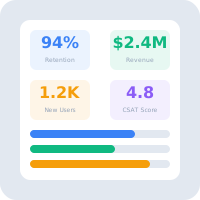
Mastering Leading Indicators
Most organizations look at lagging indicators: revenue, margin, write-offs, and monthly variance. Those numbers matter, but they arrive after operational risk has already become expensive.
Leading indicators are the signals tied to upstream work: vendor RFQ response time, receiving delays, stockout pressure, unverified asset movement, overdue approvals, offline sync exceptions, and audit evidence gaps.
AWRA OpsHub surfaces these signals through dashboards, reports, and operating queues so weekly reviews can focus on preventing risk, not explaining it after the fact.
Smart Recommendations
Turn weekly KPIs into an operating rhythm.
A metric only earns its place on the dashboard when it changes behavior. Build the review layer, add intelligence for signal quality, then route threshold breaches into owned work before risk becomes a month-end explanation.
Recommended metrics route
From KPI list to weekly operating control.
01
Choose leading indicators
Prioritize signals that warn early: stockout pressure, RFQ delays, approval breaches, and sync exceptions.
02
Set operating thresholds
Define what counts as normal, watchlist, urgent, and executive-review level for each metric.
03
Attach accountable owners
Map every KPI breach to the function that can act: inventory, procurement, finance, sales, assets, or IT.
04
Close the review loop
Track whether weekly actions reduced the risk, shifted the trend, or exposed a deeper process issue.
Metric system
Reports & BI Studio
Turn the weekly KPI list into governed dashboards, reusable templates, drill-downs, and executive-ready exports.
Signal layer
AWRA Intelligence Insights
Use operational patterns to surface stockout pressure, vendor reliability shifts, revenue risk, and accounting exceptions.
Action layer
Workflow Automation
Route KPI breaches to owners, approvals, reminders, escalations, and exception queues before the weekly review stalls.
Metrics readers also explore
Procurement analytics, finance controls, ops command views, and inventory health.
Help Center
Need a quick answer while you read?
Run inventory, procurement, assets, sales, and field work with approved AWRA guidance for setup, migration, integrations, security, pricing, and support.